
why digital technology is transforming dental patient experience
Description
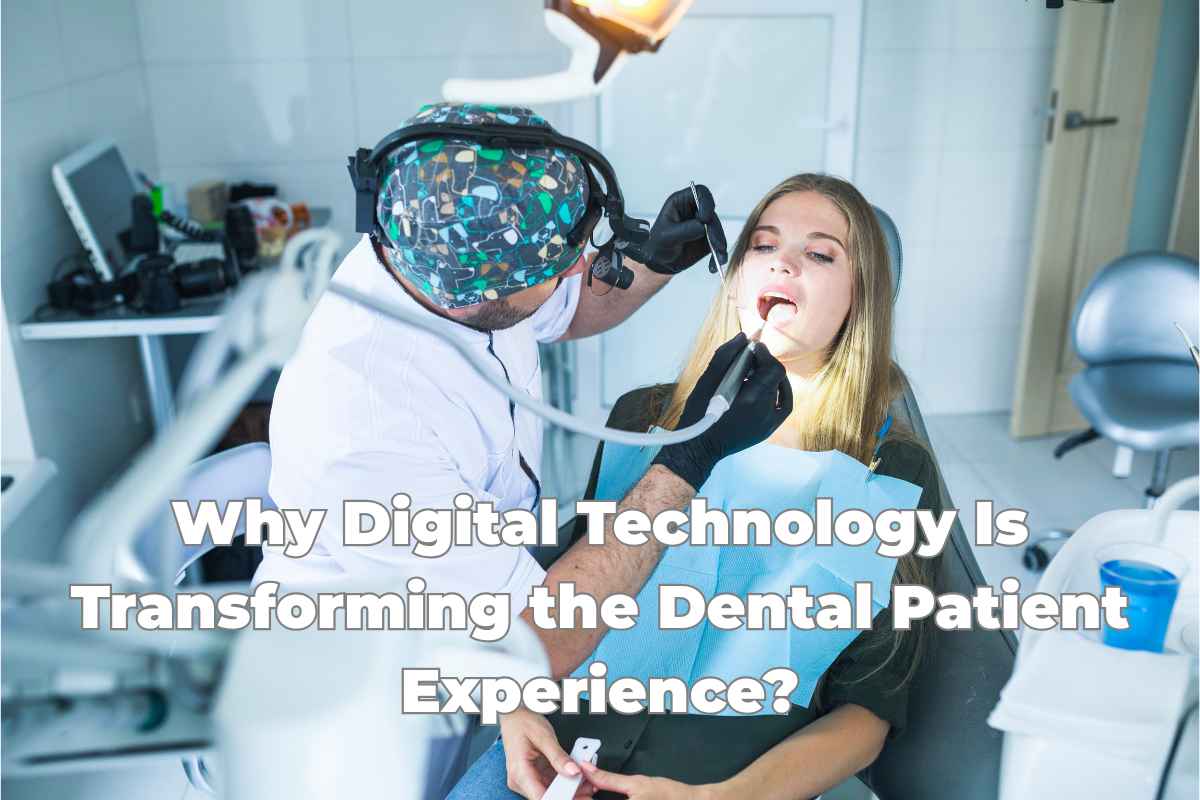
Why Digital Technology Is Transforming The Dental Patient Experience?
Digital technology is changing how you experience dental care. It simplifies processes, reduces wait times, and enhances communication. This transformation begins even before you step into the office. Imagine scheduling appointments online, receiving reminders, and accessing records with just a few clicks.
During your visit, advanced tools provide quicker, more accurate diagnostics. For instance, digital X-rays offer instant results without long waits. Treatments become smoother and less invasive with the help of innovative techniques. For those anxious about dental visits, technology offers a more comfortable experience.
Virtual consultations allow you to connect with your Fresno dentist from home, reducing stress and making discussions easier. Technology also improves ongoing care, with apps and reminders keeping you informed about your dental health. This evolution fosters better relationships between you and your dentist, ensuring a comprehensive care approach tailored to your needs. Technology empowers you to take control of your dental journey.
Streamlined Appointments and Record-Keeping
Online scheduling revolutionizes how you book a dental visit. No more calling during business hours. You choose your preferred time with ease. Digital records mean your dental history is available at any time. You can share this with specialists or during emergencies effortlessly. Such accessibility ensures that you receive consistent and informed care, no matter the circumstance.
Advanced Diagnostics and Treatment
Technology has significantly improved diagnostic accuracy. Traditional methods often required interpretation. Now, digital X-rays and imaging provide clear, immediate results. This speed ensures that any issues are promptly identified and addressed.
Additionally, innovative tools like intraoral cameras give you a detailed view of your mouth, enhancing your understanding of proposed treatments.
|
Traditional X-rays |
Digital X-rays |
|
Longer wait times for results |
Instant results |
|
Higher radiation exposure |
Lower radiation exposure |
|
Film-based, less eco-friendly |
Digitally stored, more eco-friendly |
Comfort and Communication Enhancements
For many, the thought of dental work brings anxiety. Technology helps alleviate this. Virtual reality and sedation techniques create a calming environment. Furthermore, digital platforms facilitate better communication. You can easily discuss concerns with your dentist through video calls or secure messaging, ensuring clarity and confidence in your care plan.
Continuous Care and Health Management
Maintaining dental health is now at your fingertips. Apps provide reminders for brushing, flossing, and check-ups. They offer tips and track your habits, keeping you proactive about oral hygiene.
For ongoing conditions, telehealth services allow consistent monitoring and prompt guidance, preventing minor issues from becoming major problems.
Future Directions in Dental Technology
As dental technology continues to evolve, expect even greater advancements. Research into AI-driven diagnostics shows promise in further enhancing accuracy and efficiency. Similarly, 3D printing could revolutionize the creation of dental prosthetics, reducing wait times and improving fit. These innovations aim to provide you with unprecedented levels of care and comfort.
Conclusion
Digital technology is reshaping the dental experience by making it more accessible, efficient, and personalized. From streamlined appointments to advanced diagnostics, the benefits are clear. As you embrace these changes, you gain more control and engagement in your dental health journey. Stay informed and proactive in utilizing these tools, ensuring optimal care and outcomes.
For further information on digital health technologies, explore resources from the National Institutes of Health and the Centers for Disease Control and Prevention.
Comments (0)




Recent Blogs


Top Local Business


About Us
Welcome to Punnaka.com – your global gateway to businesses, opportunities, savings. Connecting you globally with listings of Businesses, Malls, Brands, Franchises, Offers, Coupons, Freebies, Articles, Blogs, Press Release etc. List Locally, Grow Globally!