Halloween in the U.S.: Commercialisation, Costume Trends & Safety
Halloween in the U.S.: Commercialisation, Costume Trends & Safety

usa holiday
14 March 2026
0 Comments
Description
Halloween (October 31) – U.S. Commercialisation, Costume Trends, and Safety


Introduction
Halloween, celebrated every year on October 31, is one of the most widely recognized cultural celebrations in the United States. What began as a traditional festival connected to ancient Celtic customs has evolved into a massive cultural and economic phenomenon. Today, Halloween represents a unique blend of folklore, entertainment, consumer culture, and community celebration.
In modern America, Halloween is known for activities such as trick-or-treating, costume parties, haunted houses, pumpkin carving, and elaborate decorations. Children dress up as characters ranging from ghosts and witches to superheroes and movie icons, while adults also participate in costume parties and themed events. Neighborhoods transform into festive spaces filled with carved pumpkins, spooky lights, and creative displays.
Over time, Halloween has grown far beyond a simple seasonal celebration. It has become a major commercial holiday, with billions of dollars spent annually on candy, costumes, decorations, greeting cards, and party supplies. Businesses across the United States—from supermarkets to theme parks—capitalize on the seasonal demand by launching Halloween-themed products and experiences.
Alongside commercialization, Halloween also reflects broader cultural trends. Costume choices often mirror popular culture, social media influences, and current entertainment trends. At the same time, increasing attention is given to safety measures, particularly for children participating in trick-or-treating.
This article explores the commercialisation of Halloween in the United States, the evolution of costume trends, and important safety practices that help ensure a fun and secure celebration for everyone.
1. Historical Evolution of Halloween in the United States
Halloween’s origins can be traced back over two thousand years to the ancient Celtic festival of Samhain, celebrated in Ireland and Scotland. During this festival, people believed that the boundary between the living and the spirit world became thin, allowing spirits to return to earth. Communities lit bonfires and wore disguises to ward off wandering spirits.
In the 19th century, Irish and Scottish immigrants brought Halloween traditions to North America. Over time, the festival evolved from a spiritual observance into a community celebration focused on games, costumes, and seasonal festivities.
During the early 20th century, Halloween became particularly popular in American communities. Schools, churches, and local organizations began hosting parties and parades to encourage safe celebrations.
After World War II, Halloween underwent a transformation with the rise of suburban neighborhoods. Children began going door-to-door asking for treats, giving birth to the now-famous tradition of trick-or-treating. Candy companies recognized the marketing potential and began producing individually wrapped sweets specifically for Halloween.
Since then, Halloween has expanded into a nationwide cultural celebration that blends folklore, entertainment, and consumer activity.
2. Commercialisation of Halloween in the United States
One of the most striking features of Halloween in modern America is its massive commercialisation. Retailers, entertainment companies, and the tourism industry all participate in the Halloween economy.
Economic Impact
Halloween has grown into one of the most lucrative seasonal events in the United States. Consumers spend billions of dollars each year on Halloween-related items.
Recent surveys estimate that Americans spend over $13 billion annually on Halloween, making it one of the largest retail holidays after Christmas.
The largest spending categories include:
* Costumes: about $4.3 billion
* Decorations: about $4.2 billion
* Candy: about $3.9 billion
* Greeting cards and party supplies: hundreds of millions of dollars
These figures demonstrate the enormous economic impact of the holiday.
Retail Strategies
Retailers use a variety of marketing strategies to maximize Halloween sales:
-
Seasonal product launches
Companies release special Halloween-themed products such as pumpkin-flavored foods, limited-edition candy, and themed beverages. -
Costume retail stores
Temporary stores often open only during the Halloween season, selling costumes, masks, and decorations. -
Online marketing campaigns
Social media platforms and search trends influence costume ideas and purchasing behavior. -
Experiential marketing
Theme parks, haunted houses, and immersive horror attractions attract millions of visitors during October. -
Cross-industry promotion
Restaurants, movie studios, and streaming platforms promote Halloween-themed content.
Influence on Consumer Culture
Halloween commercialization has shaped consumer habits in several ways:
* Early shopping for decorations and costumes
* Increased participation by adults
* Expansion of pet costumes and themed merchandise
* Growth of Halloween events and festivals
The holiday now functions as both a cultural celebration and a major driver of seasonal economic activity.
3. Popular Halloween Costume Trends in the U.S.
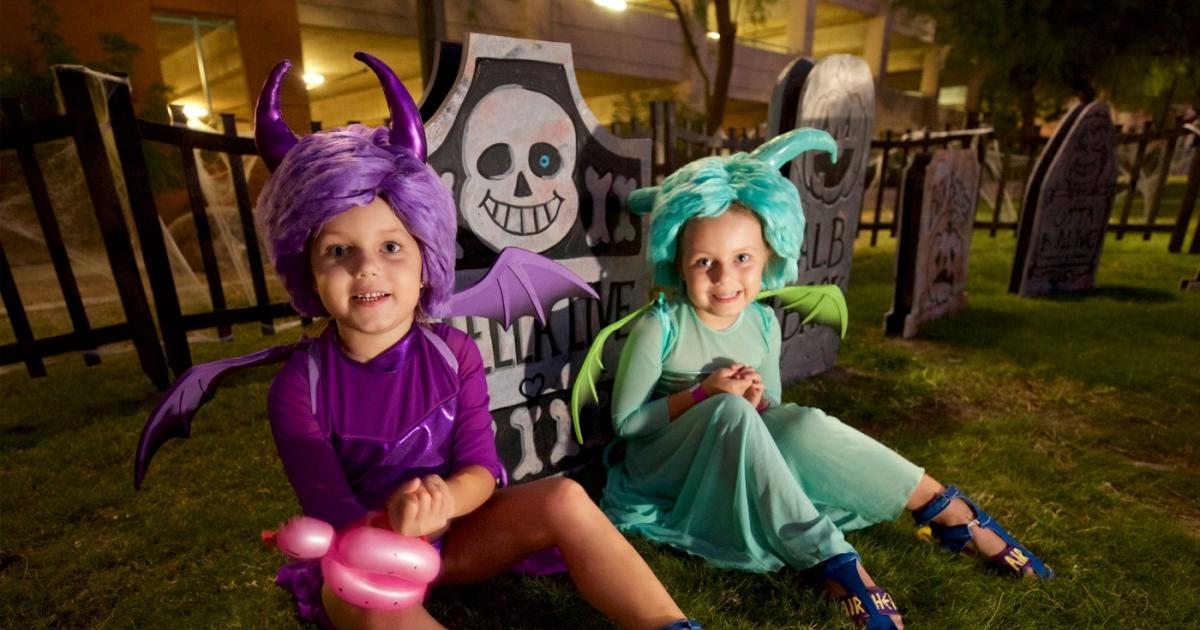
Costumes are the heart of Halloween celebrations. Dressing up allows people to express creativity, humor, and imagination.
Classic Costume Themes
Some costume ideas remain popular year after year:
* Witches
* Vampires
* Ghosts
* Zombies
* Pirates
* Skeletons
These costumes reflect the traditional spooky nature of Halloween.
Pop Culture Influence
Modern costume trends often reflect movies, television shows, and social media. Popular characters frequently inspire Halloween outfits.
Recent surveys indicate that some of the most common costume choices include:
* Superheroes such as Spider-Man
* Princess characters
* Witches and ghosts
* Movie characters
* Fantasy creatures
Pop culture trends change every year depending on the popularity of new films, television shows, and online content.
Adult Participation
Halloween is no longer limited to children. Adults increasingly participate in:
* Costume parties
* Office competitions
* Themed social gatherings
* Halloween parades and events
Adult costumes range from humorous characters to elaborate cosplay outfits.
Pet Costumes
An emerging trend is dressing up pets for Halloween. Many pet owners purchase costumes for dogs and cats, with popular choices including:
* Pumpkins
* Hot dogs
* Ghosts
* Bees and superheroes
This trend highlights the growing commercialization and entertainment aspect of Halloween.
DIY vs Store-Bought Costumes
Costumes fall into two main categories:
Store-bought costumes
* Convenient and widely available
* Often based on licensed characters
DIY costumes
* More creative and unique
* Often made from household items or recycled clothing
Both styles remain popular depending on personal preference.
4. Social and Cultural Significance of Halloween
Halloween is not just about costumes and candy. It also serves as a social bonding experience within communities.
Neighborhoods often organize:
* Block parties
* Trick-or-treat events
* Haunted houses
* Pumpkin carving competitions
* Community festivals
These activities encourage interaction among neighbors and families.
Schools also participate by organizing Halloween events, costume days, and themed educational activities.
For many families, Halloween represents an opportunity to celebrate creativity and spend time together.
5. Trick-or-Treating Tradition
Trick-or-treating is the most iconic Halloween tradition in the United States.
Children dress in costumes and visit houses in their neighborhood, saying the phrase “trick or treat.” Homeowners then give them candy or small treats.
This tradition gained widespread popularity in the mid-20th century and became a central feature of American Halloween celebrations.
Today, trick-or-treating remains a beloved activity for millions of families across the country.
6. Halloween Safety Practices
Safety is an important concern during Halloween, particularly for children.
Costume Safety
Parents are encouraged to follow several safety guidelines:
* Choose flame-resistant costumes
* Avoid masks that block vision
* Use face paint instead of heavy masks
* Ensure costumes fit properly and do not drag on the ground
* Add reflective tape for nighttime visibility
Trick-or-Treat Safety
To ensure a safe Halloween:
* Children should trick-or-treat in groups
* Adults should accompany younger children
* Use flashlights or glow sticks
* Stay on well-lit streets
* Only visit familiar houses
Candy Safety
Parents should inspect candy before children eat it.
Recommended practices include:
* Discard unwrapped or damaged candy
* Check expiration dates
* Avoid homemade treats from strangers
Traffic Safety
Halloween night often involves increased pedestrian activity. Safety measures include:
* Walking on sidewalks
* Crossing streets at designated crossings
* Wearing reflective clothing
These precautions help reduce the risk of accidents during celebrations.
7. Halloween Events and Attractions
Halloween has also become a major entertainment season.
Popular Halloween attractions include:
* Haunted houses
* Theme park Halloween festivals
* Ghost tours
* Horror movie marathons
* Pumpkin patches and corn mazes
Many cities host large Halloween parades and festivals that attract thousands of participants and spectators.
These events contribute significantly to the seasonal tourism industry.
8. Influence of Social Media on Halloween Trends
Social media platforms play a significant role in shaping modern Halloween celebrations.
People often share:
* Costume ideas
* Decoration designs
* Halloween recipes
* Party themes
Platforms like Instagram, TikTok, and Pinterest have become major sources of inspiration for costumes and decorations.
Influencers and celebrities also help popularize certain Halloween styles.
9. Environmental Concerns and Sustainable Halloween
In recent years, environmental awareness has influenced Halloween celebrations.
Concerns include:
* Plastic costume waste
* Disposable decorations
* Excess candy packaging
As a result, many people now adopt eco-friendly Halloween practices, such as:
* DIY costumes from recycled materials
* Reusable decorations
* Sustainable candy packaging
* Community costume swaps
These practices help reduce the environmental impact of the holiday.
10. The Future of Halloween in the United States
Halloween continues to evolve as new trends emerge.
Future developments may include:
* Increased digital experiences and virtual events
* Sustainable and eco-friendly celebrations
* Advanced technology in haunted attractions
* Greater global influence through media and tourism
Despite these changes, the core elements of Halloween—costumes, community celebrations, and spooky fun—are likely to remain central to the holiday.
Conclusion
Halloween in the United States has evolved from a traditional folk celebration into a major cultural and commercial event. The holiday blends ancient customs with modern entertainment and consumer culture.
With billions of dollars spent each year on costumes, candy, and decorations, Halloween has become one of the most economically significant seasonal events in the country. At the same time, it continues to serve as a joyful community celebration where families, children, and adults come together to enjoy creativity and imagination.
Costume trends reflect popular culture and social influences, while safety practices ensure that celebrations remain fun and secure. As society evolves, Halloween will likely continue adapting to new cultural, technological, and environmental trends.
Ultimately, Halloween remains a unique holiday that combines tradition, creativity, commerce, and community spirit.
FAQs About Halloween in the United States
1. Why is Halloween celebrated on October 31?
Halloween is celebrated on October 31 because it originated from the ancient Celtic festival of Samhain, which marked the end of the harvest season and the beginning of winter.
2. Why do people wear costumes on Halloween?
Costumes were originally worn to disguise people from wandering spirits. Today they are worn mainly for entertainment and creative expression.
3. What is trick-or-treating?
Trick-or-treating is a tradition where children dress in costumes and visit houses to receive candy or treats.
4. How much do Americans spend on Halloween?
Americans spend more than $13 billion annually on Halloween-related items including candy, costumes, and decorations.
5. What are the most popular Halloween costumes?
Common costumes include witches, superheroes, ghosts, vampires, princesses, and characters from movies or television.
6. Is Halloween only for children?
No. Adults also celebrate Halloween through parties, themed events, haunted attractions, and costume competitions.
7. Why do people carve pumpkins?
Pumpkin carving comes from the Irish tradition of carving lanterns to ward off evil spirits.
8. How can children stay safe on Halloween?
Children should trick-or-treat in groups, wear reflective costumes, carry flashlights, and have their candy inspected by parents.
9. What is “trunk-or-treat”?
Trunk-or-treat is a modern alternative where children collect candy from decorated car trunks in parking lots, usually organized by schools or community groups.
10. Is Halloween celebrated outside the United States?
Yes. Halloween is increasingly celebrated in many countries including Canada, the United Kingdom, Ireland, Australia, and parts of Asia.
Comments (0)





Recent Blogs


Top Local Business


About Us
Welcome to Punnaka.com – your global gateway to businesses, opportunities, savings. Connecting you globally with listings of Businesses, Malls, Brands, Franchises, Offers, Coupons, Freebies, Articles, Blogs, Press Release etc. List Locally, Grow Globally!