
Memorial Day in the USA: Traditions, Parades, Travel Trends & Meaning
Memorial Day in the USA: Traditions, Parades, Travel Trends & Meaning

usa holiday
26 March 2026
0 Comments
Description
Memorial Day in the USA – Remembrance Traditions, Parades and Travel Trends
Memorial Day in the United States is a deeply significant national holiday dedicated to honoring the men and women of the U.S. Armed Forces who lost their lives in military service. Observed on the last Monday of May each year, it combines solemn remembrance with community traditions, patriotic displays, and the unofficial beginning of summer.
While its core purpose is rooted in honoring sacrifice and national gratitude, Memorial Day has evolved over time to include parades, family gatherings, travel, and cultural traditions that reflect both remembrance and unity. This article explores the meaning, traditions, parades, and travel trends that define Memorial Day in the USA.
Historical Background of Memorial Day
Memorial Day traces its origins to the aftermath of the American Civil War, one of the deadliest conflicts in U.S. history. Initially known as “Decoration Day,” it began as a grassroots movement where communities decorated the graves of fallen soldiers with flowers and flags.
By 1868, it was formally recognized as a national day of remembrance, and over time, its scope expanded to honor all American military personnel who died in service. In 1971, Memorial Day was declared a federal holiday and fixed to the last Monday in May, creating a long weekend that shaped modern observance patterns.
Today, Memorial Day stands as a solemn reminder of the cost of freedom and the sacrifices made by service members throughout American history.
Meaning and Significance
At its core, Memorial Day is about remembrance, reflection, and respect. Unlike Veterans Day, which honors all military personnel, Memorial Day specifically commemorates those who died while serving the nation.
The day carries emotional significance for families of fallen soldiers, veterans, and citizens alike. It serves as a collective moment of national gratitude, reinforcing the values of patriotism, unity, and sacrifice.
A key symbolic practice is lowering the American flag to half-staff until noon, representing mourning, and then raising it to full-staff to symbolize resilience and the continuation of national ideals.
Remembrance Traditions in the USA
1. Visiting Cemeteries and Memorials

One of the most important traditions is visiting cemeteries and war memorials. Families and volunteers place flowers, wreaths, and American flags on the graves of fallen soldiers.
A notable ceremony takes place at Arlington National Cemetery, where thousands of graves are decorated with flags in a practice known as “Flags In.”
2. National Moment of Remembrance
At 3:00 p.m. local time, Americans are encouraged to pause for a minute of silence to honor fallen service members. This “National Moment of Remembrance” fosters unity and reflection across the country.
3. Flag Traditions
The American flag plays a central role in Memorial Day observances:
* Displayed at half-staff until noon
* Raised to full height afterward
* Often placed on graves or displayed at homes and public spaces
These practices symbolize both mourning and national perseverance.
4. Community Ceremonies
Local communities organize:
* Memorial services
* Speeches by veterans and officials
* Wreath-laying ceremonies
* Patriotic music performances
These gatherings reinforce civic pride and remembrance.
5. Family Gatherings and Reflection
Although solemn in nature, Memorial Day is also a time for families to come together. Many Americans reflect on loved ones, share stories, and pass down traditions of remembrance to younger generations.
Memorial Day Parades and Public Celebrations

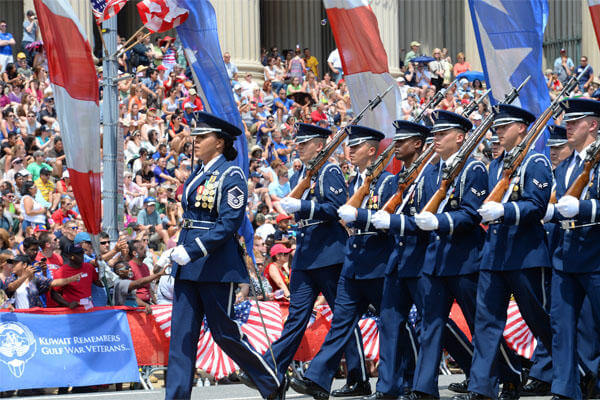
Parades are among the most visible and vibrant aspects of Memorial Day celebrations. Held in cities, towns, and rural communities, these parades blend solemn tribute with patriotic pride.
Key Features of Memorial Day Parades
* Marching bands and military units
* Veterans’ organizations
* Patriotic floats and flag displays
* Local community participation
Some of the oldest Memorial Day parades date back to the late 19th century, reflecting the long-standing tradition of honoring fallen soldiers through public gatherings.
National-Level Parades
Major cities host large-scale parades that attract thousands of spectators and are often broadcast nationwide. These events emphasize national unity and collective remembrance.
The Dual Nature: Remembrance and Celebration
Memorial Day uniquely combines solemn remembrance with celebratory elements. Over time, it has become associated with:
* The unofficial start of summer
* Outdoor activities and recreation
* Seasonal shopping events
This dual nature sometimes raises concerns that the original purpose may be overshadowed, but many Americans strive to balance remembrance with leisure activities.
Travel Trends During Memorial Day Weekend
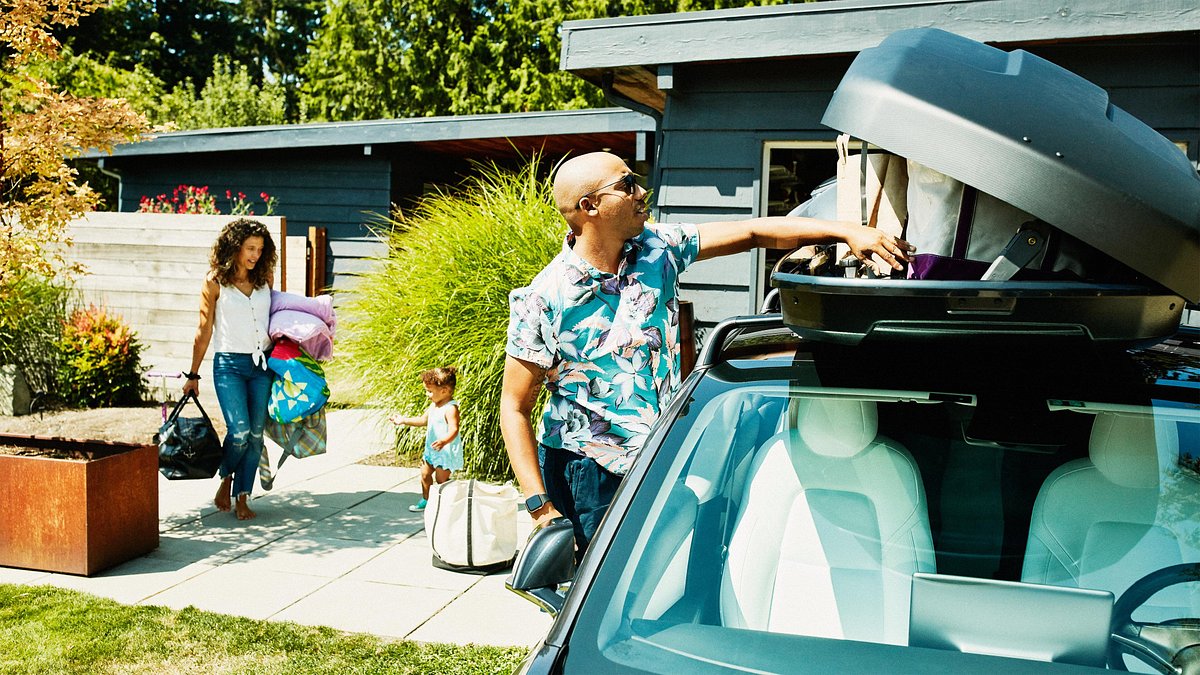
Memorial Day weekend is one of the busiest travel periods in the United States, marking the beginning of the summer travel season.
1. Surge in Travel Activity
Millions of Americans travel during this long weekend:
* Around 44 million people travel domestically in peak years
* Most prefer road trips, while millions also fly or use public transport
Air travel alone can exceed 3.5 million passengers, reflecting growing demand for holiday travel.
2. Popular Travel Choices
Common travel preferences include:
* Beach destinations
* National parks
* Theme parks and resorts
* Visiting family and friends
Road trips dominate due to flexibility and affordability.
3. Rise in Leisure Activities
Memorial Day weekend is synonymous with:
* Barbecues (over half of Americans participate)
* Picnics and outdoor gatherings
* Sporting events and beach outings
4. Economic Impact
The holiday significantly boosts:
* Tourism and hospitality industries
* Retail sales and seasonal promotions
* Transportation sectors
Retailers often offer major discounts, making it one of the biggest shopping weekends of the year.
Cultural Evolution of Memorial Day
Over the decades, Memorial Day has evolved from a purely solemn observance to a blend of remembrance and recreation.
Initially centered on mourning and honoring Civil War soldiers, it gradually incorporated leisure activities such as picnics, sports, and travel. This shift reflects broader social changes while maintaining its core purpose of honoring sacrifice.
Despite commercialization, many Americans continue to observe traditional rituals, ensuring that the meaning of the day is preserved.
How Americans Balance Tradition and Modern Life
Modern Memorial Day observances reflect a balance between:
* Respect for fallen heroes
* Family bonding and relaxation
* Community participation
Many families begin the day with remembrance activities—such as visiting memorials or attending ceremonies—and later engage in recreational activities.
Importance of Memorial Day Today
Memorial Day remains one of the most meaningful national holidays in the United States. It serves as:
* A reminder of the human cost of war
* A tribute to courage and sacrifice
* A unifying national observance
It encourages reflection on freedom, responsibility, and the values that shape American society.
FAQs
1. What is Memorial Day?
Memorial Day is a U.S. federal holiday honoring military personnel who died in service to the country.
2. When is Memorial Day celebrated?
It is observed on the last Monday of May each year.
3. Why is Memorial Day important?
It recognizes the sacrifices of fallen soldiers and promotes national remembrance and gratitude.
4. What are common Memorial Day traditions?
Visiting cemeteries, placing flags, attending parades, observing a moment of silence, and community ceremonies.
5. What is the National Moment of Remembrance?
A one-minute pause at 3:00 p.m. local time to honor fallen service members.
6. Why is Memorial Day associated with summer?
Because it falls in late May and marks the unofficial start of the summer season.
7. How do Americans celebrate Memorial Day?
Through a mix of remembrance activities, parades, family gatherings, travel, and outdoor events.
8. What is the difference between Memorial Day and Veterans Day?
Memorial Day honors those who died in service, while Veterans Day honors all who served.
9. Why are flags lowered on Memorial Day?
To symbolize mourning for fallen soldiers, followed by raising them to represent national resilience.
10. Is Memorial Day a public holiday?
Yes, it is a federal holiday in the United States.
Conclusion
Memorial Day in the United States is a powerful blend of remembrance, patriotism, and community spirit. While traditions such as cemetery visits, flag ceremonies, and moments of silence preserve its solemn essence, parades, travel, and family gatherings reflect its evolution into a broader cultural observance.
Ultimately, Memorial Day remains a day to honor sacrifice, remember heroes, and reaffirm the values of freedom and unity. Whether through quiet reflection or community celebration, Americans continue to ensure that the legacy of their fallen soldiers is never forgotten.
Comments (0)





Recent Blogs


Top Local Business


About Us
Welcome to Punnaka.com – your global gateway to businesses, opportunities, savings. Connecting you globally with listings of Businesses, Malls, Brands, Franchises, Offers, Coupons, Freebies, Articles, Blogs, Press Release etc. List Locally, Grow Globally!